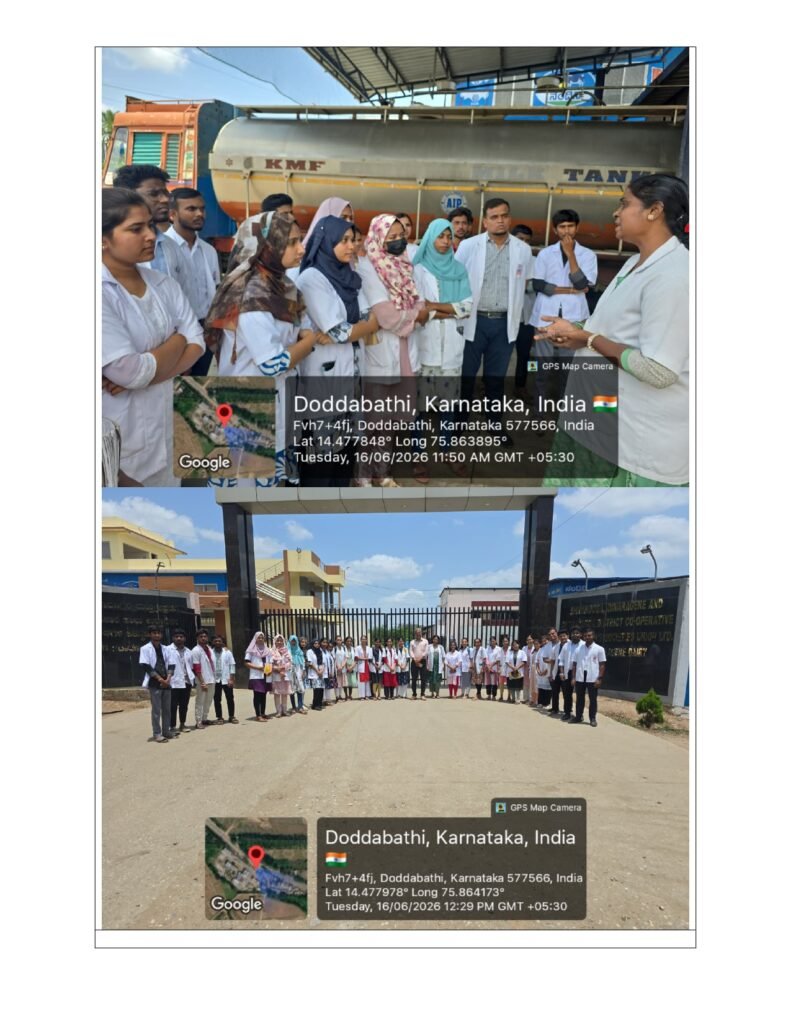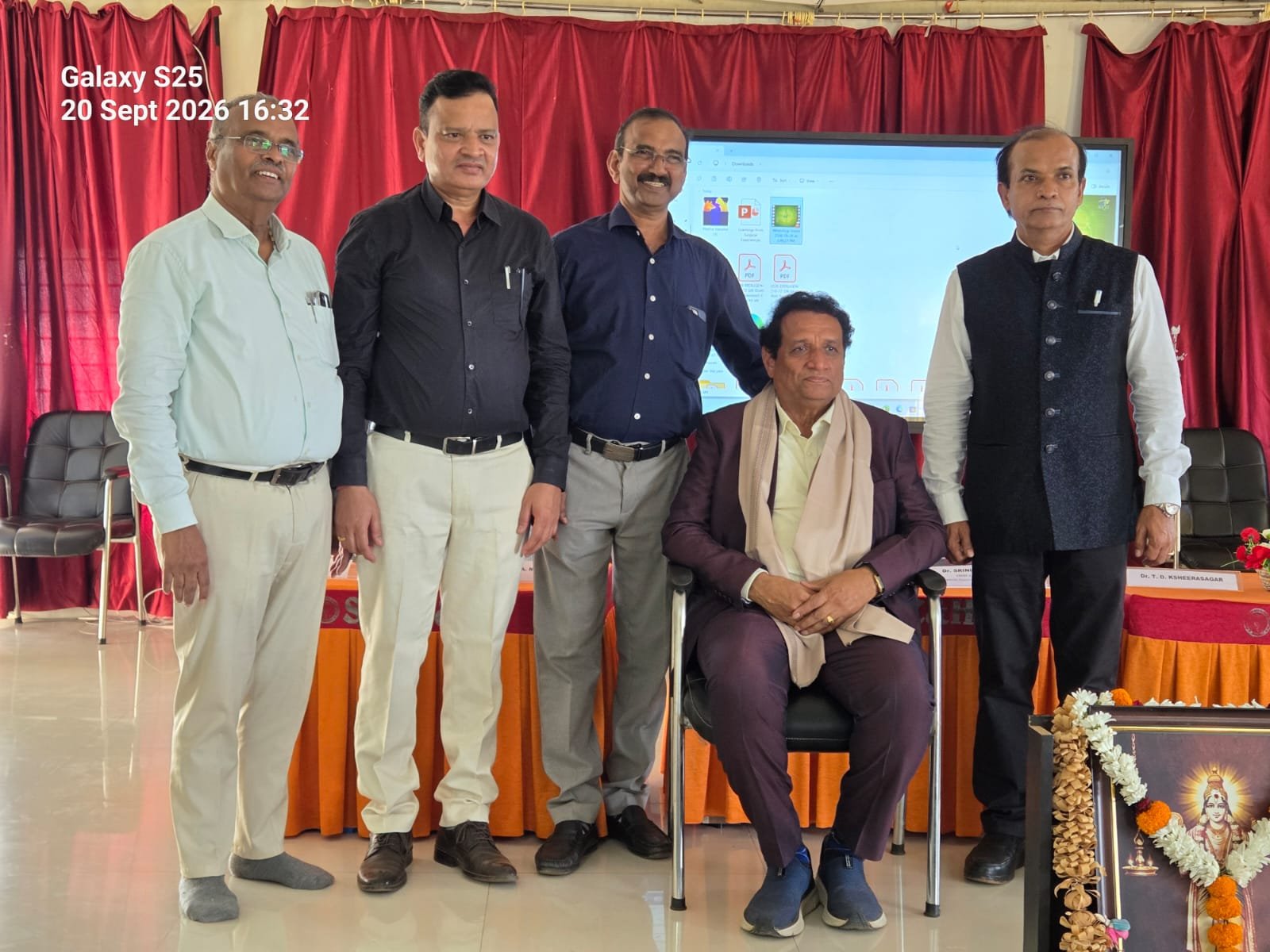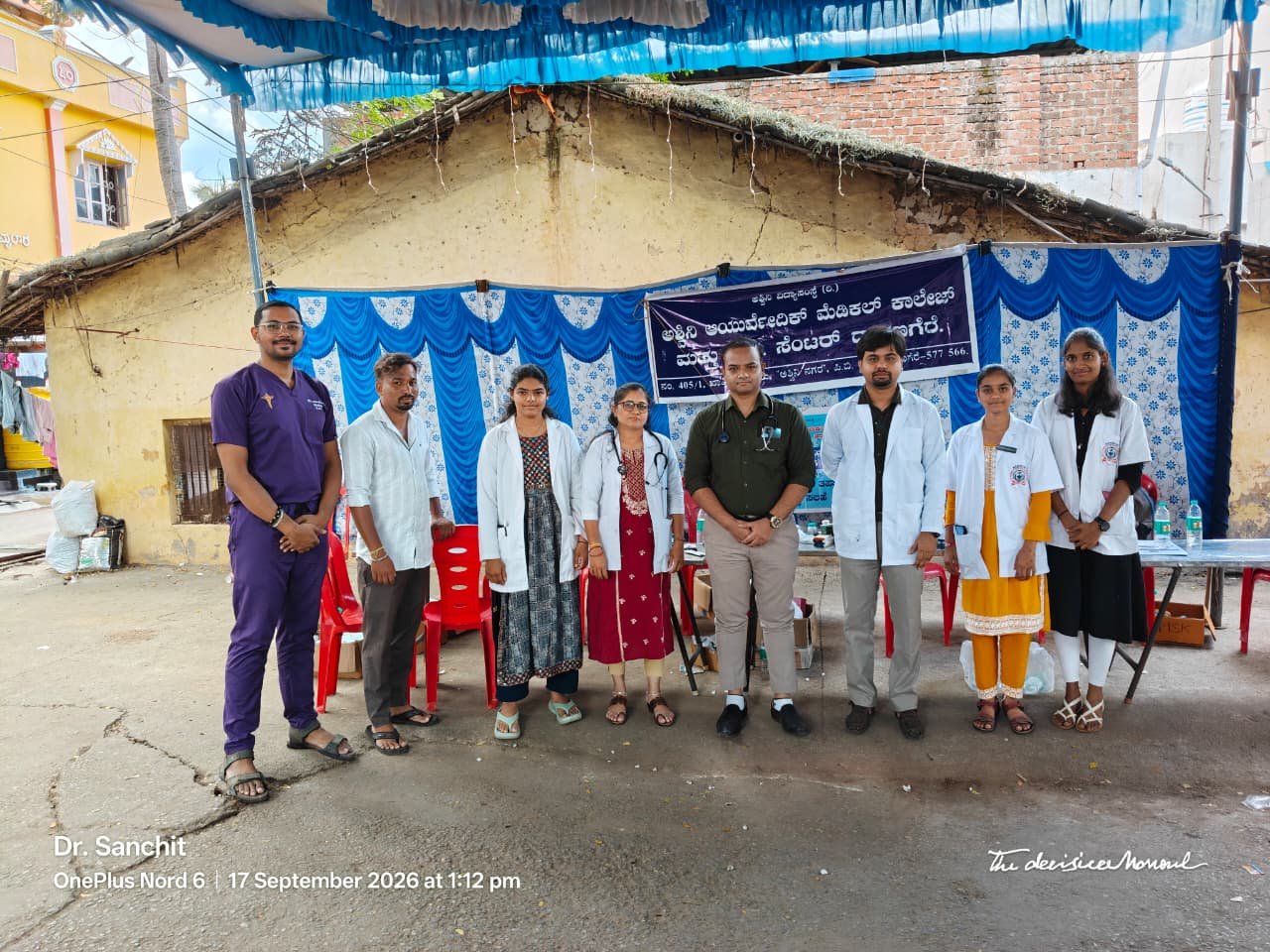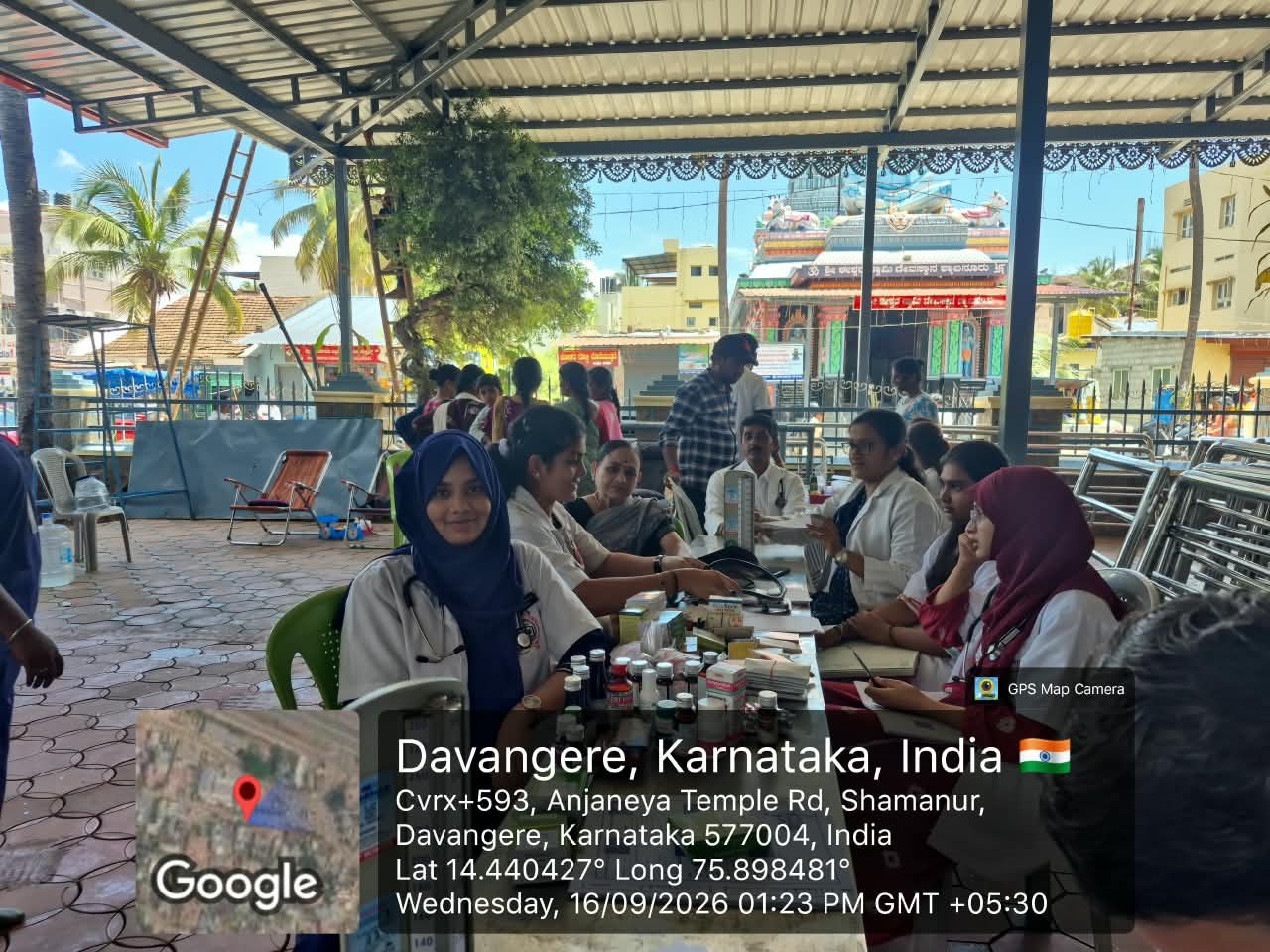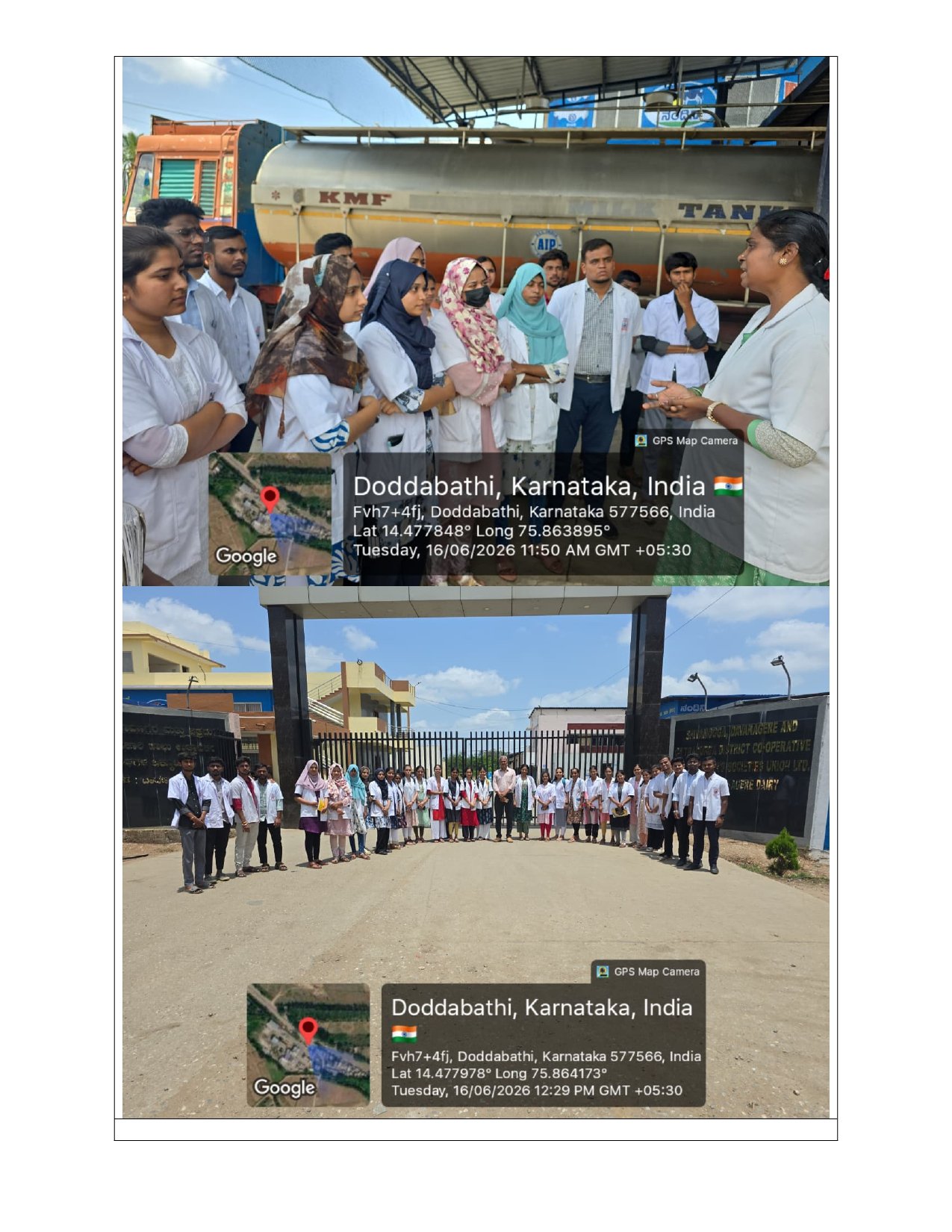
Host Institution: Nandini Milk Dairy (Shimoga District Co-operative Milk Producers' Societies' Union Ltd.), Doddabathi, Davanagere, Karnataka
Organizing Institution: Ashwini Educational Association’s Ayurveda Medical College and P.G. Centre, Davanagere
Organizing Department: Department of Swasthavritta & Yoga
Target Audience: 2nd Year B.A.M.S. Students
Date of Visit: June 16, 2026
1. Introduction & Objectives
As a mandatory part of the B.A.M.S. curriculum under the Department of Swasthavritta (Preventive and Social Medicine/Public Health in Ayurveda), an educational field visit was organized today to the Nandini Milk Dairy plant located in Doddabathi, Davanagere.
The primary objective of this institutional visit was to bridge the gap between classical Ayurvedic nutritional concepts (Ahara Kalpana) and modern community health standards, specifically focusing on large-scale food hygiene, pasteurization, waste management, and public nutrition supply chains.
Key Objectives:
- To observe large-scale milk processing, purification, and preservation techniques.
- To understand the principles of food safety, hygiene, and quality control systems adhering to FSSAI standards.
- To cross-reference modern dairy processing with the concepts of Dugdha Varga (study of milk and dairy products) described in classical Ayurvedic texts.
2. Plant Architecture & Observed Processes
Upon arrival at the Doddabathi plant, the students and accompanying faculty members were received by the dairy’s technical guide, who led the batch through various sections of the automated processing facility. Distribution]
A. Milk Reception & Rapid Testing (Raw Milk Dock)
Students observed the unloading of raw milk collected from rural co-operative societies. The dairy professionals demonstrated the initial physical and chemical screening, checking for parameters like temperature, fat content, Solid-Not-Fat (SNF) levels, and tests to rule out adulterants (like urea, starch, or detergents).
B. Processing & Pasteurization Unit
The core of the industrial visit was observing the High-Temperature Short-Time (HTST) pasteurization technique. Milk is heated uniformly to $72^\circ\text{C}$ for 15 seconds and immediately cooled down to below $4^\circ\text{C}$. The plant engineers explained how this eliminates harmful pathogens like Mycobacterium tuberculosis and Coxiella burnetii without significantly altering the nutritional profile of the milk.
C. Homogenization & Packaging
The mechanical process of breaking down fat globules to ensure uniform distribution and prevent a cream layer from separating was demonstrated. Students then moved to the fully automated packaging section where food-grade sachets are filled, sealed, and quickly sent to cold storage rooms.
D. Product Manufacturing Section
Apart from liquid milk, the batch was shown the mechanized manufacturing setups for value-added dairy products like curd (Dadhi), buttermilk (Takra), peda, and ghee (Ghrita).
3. Swasthavritta & Ayurvedic Integration
From a public health and preventive medicine perspective, the department highlighted several critical correlations during the field visit:
- Shodhana & Sanskara (Processing & Purification): In Ayurveda, raw milk (Dharoshna Ksheera) has distinct properties compared to processed milk. Industrial pasteurization serves as a modern Sanskara (processing technique) to make the milk biologically safe for mass community consumption, reducing its Guru (heavy) nature and preventing waterborne pathogens.
- Dietetics & Public Health (Ahara Parinamakara Bhava): The strict hygiene maintained by the plant workers (hairnets, sanitized boots, automated untouch processing) perfectly aligns with the principles of Ahara Shuchi (cleanliness of food) outlined in Swasthavritta to prevent Janapadodhwansa (epidemics caused by contaminated food/water).
- Dairy Waste Management: The department took special note of the Effluent Treatment Plant (ETP) on-site, demonstrating how industrial wastewater is treated before disposal, which maps directly to environmental health modules within the Swasthavritta curriculum.
4. Conclusion & Acknowledgments
The field visit concluded with an interactive Q&A session where students cleared their doubts regarding cold-chain logistics, nutritional fortification (Vitamin A and D enrichment), and the shelf-life enhancement of traditional dairy items. The experience provided the 2nd Year B.A.M.S. students with an invaluable look into community nutrition systems.
The Department of Swasthavritta expresses its sincere gratitude to the management of Ashwini Educational Association, the Principal, and the administrative authorities of the Nandini Milk Dairy plant at Doddabathi for granting permission and facilitating this practical learning experience.
Report Compiled By:
Department of Swasthavritta & Yoga
Ashwini Educational Association’s Ayurveda Medical College and P.G. Centre, Davanagere